How Early Should I Be at the Airport Pearson? The Ultimate YYZ Travel Buffer Guide
How Early to Arrive at Pearson Airport
You should arrive at Toronto Pearson Airport (YYZ) at least two hours before a domestic flight and three hours before any US or international flight. If your departure falls before 9:00 AM, Air Canada explicitly recommends arriving a full three hours early, regardless of your destination, to clear the intense early morning security rushes. Missing a flight is one of the worst travel feelings, and at Pearson, unpredictable bottlenecks happen more than you think.
Domestic (Within Canada)
Standard Arrival: 2 hours before
Peak Hours (5–8 AM / 4–7 PM): 2.5 hours before
With Checked Luggage: 2 hours before
US Bound (With Customs)
Standard Arrival: 3 hours before
Peak Hours (5–8 AM / 4–7 PM): 3.5 hours before
With Checked Luggage: 3 hours before
International (Overseas)
Standard Arrival: 3 hours before
Peak Hours (5–8 AM / 4–7 PM): 3.5 hours before
With Checked Luggage: 3 hours before
Early Morning (Before 9 AM)
Standard Arrival: 3 hours before
Peak Hours (5–8 AM / 4–7 PM): 3 hours before
With Checked Luggage: 3 hours before
According to official data from torontopearson.com, these timelines ensure you don’t get trapped by unexpected daily surges. Live data from flightqueue.com shows that standard CATSA security wait times average 30 minutes, but this can double during peak seasonal travel in July, August, and December. For example, our chauffeurs regularly drop passengers off at Terminal 1, Door A at 4:00 AM for 7:00 AM flights, because morning check-in counters and bag drops routinely back up early.
Table of Contents
Why Pearson Is Not a "Normal" Airport
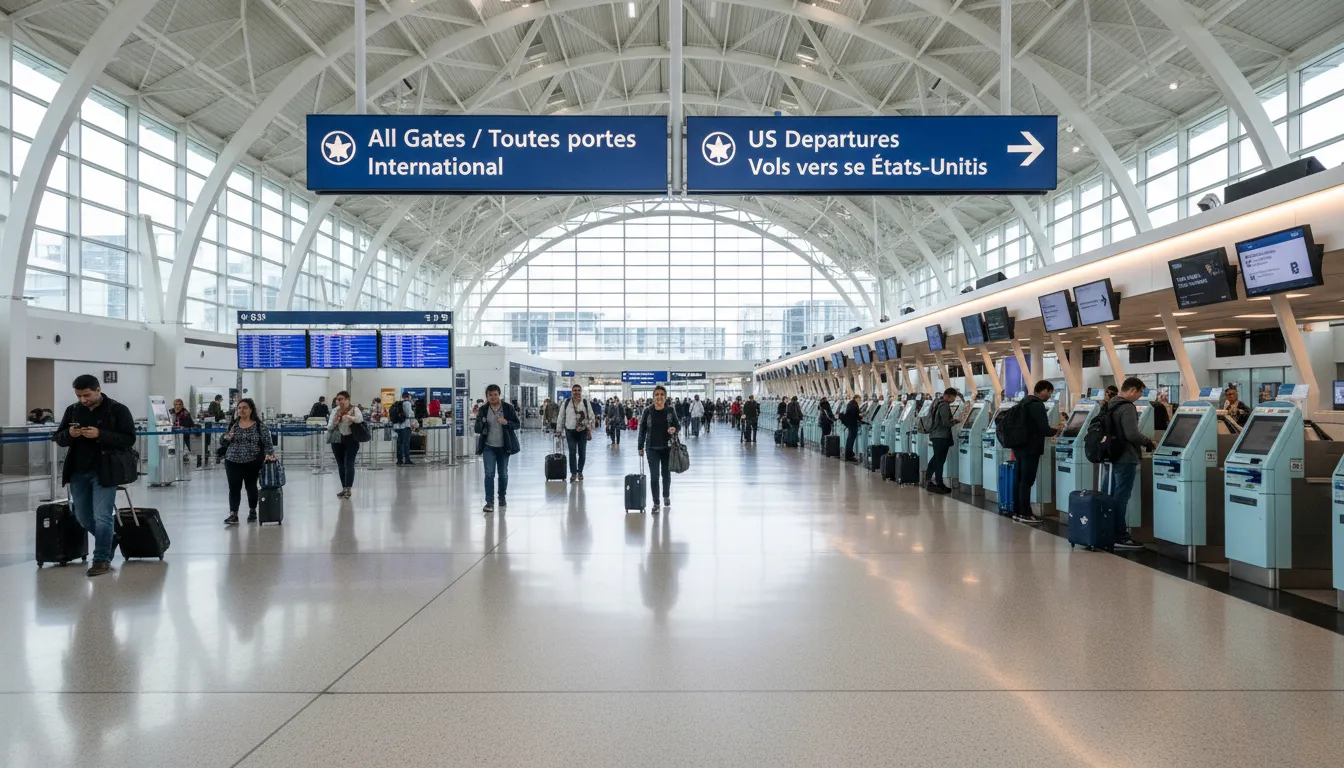
Toronto Pearson operates on a massive scale that dwarf other Canadian hubs, handling tens of millions of travelers who create severe bottlenecks daily. Because of this extreme volume, you cannot treat your departure here like a quick stroll through a regional terminal; a single delay at baggage check or security cascades rapidly. Knowing exactly how early should I be at the airport Pearson requires understanding that this facility operates under its own unpredictable set of rules.
Two Separate Terminals (T1 & T3) — One Common Mistake
Getting dropped off at the wrong building will easily cost you 30 precious minutes while you scramble to locate the Terminal Link train.
Terminal 1 hosts Air Canada and its Star Alliance partners, where our chauffeurs routinely drop passengers at Door A on the arrivals level to beat upper-level congestion.
Terminal 3 services WestJet, Porter, Sunwing, and various international airlines, utilizing Door G for domestic departures and Door F for international travelers.
Showing up at Terminal 1 when your airline departs from Terminal 3 forces you to haul your luggage across the airport track system, a stressful mistake that can cause you to miss the strict 60-minute bag drop cutoff.
US Flights Have a Unique Extra Step: Pre-Clearance
Flying to America from Pearson requires you to clear US Customs and Border Protection right inside the Toronto terminal before you can ever walk to your gate.
You must pass through standard CATSA security first, and then immediately enter the secure US pre-clearance zone which you cannot exit.
This double-screening process routinely adds 30 to 60 minutes to your transit time because you are competing with thousands of other morning commuters.
One traveler flying to the States shared on Reddit that these specific pre-clearance lines completely bottlenecked their morning, proving why a three-hour buffer is mandatory even if you check in online.
VIP Limo Insider Note
After nine years and 15,000 successful Pearson airport trips, our team tracks the daily reality of terminal congestion in real time.
Chauffeurs see morning security lineups stretching past the regular stanchions into the public walkways as early as 5:30 AM.
Frequent flyers utilizing the Trusted Travellers lane or holding a NEXUS card consistently bypass the heaviest morning crowds in under 15 minutes.
Families traveling with young children face extended screening times at CATSA checkpoints because electronic devices and strollers require manual inspection.
Exact Arrival Times by Flight Type at Pearson
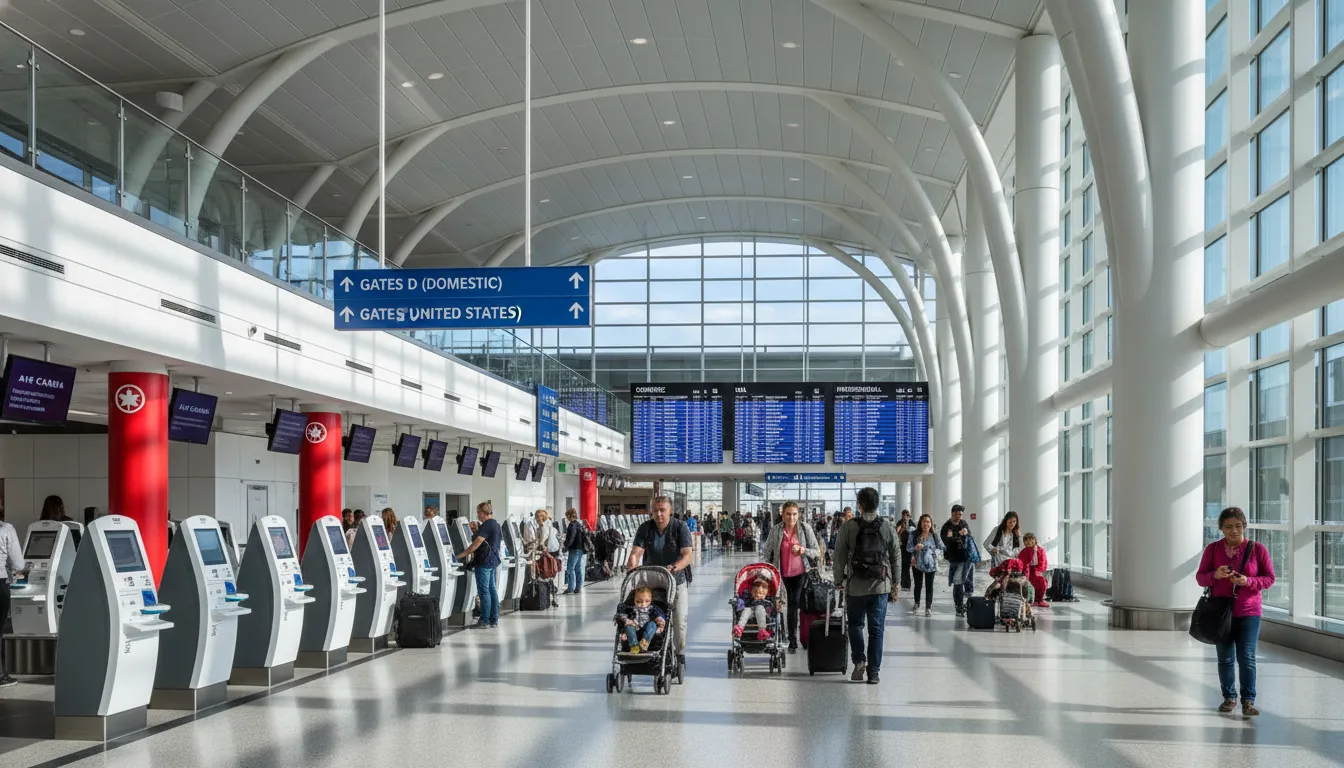
You must budget exactly two hours for domestic flights and a strict three hours for US-bound and international flights at Toronto Pearson. Your departure type dictates which security screening setup and customs clearance lines you will face, making a blanket strategy a recipe for a missed departure. Missing a flight is one of the worst travel feelings—and at Pearson, long lines can derail your plans faster than you think.
Domestic Flights at YYZ — 2 Hours Standard
Flying within Canada requires a baseline of two hours to handle the heavy foot traffic at standard CATSA checkpoints. Major carriers set strict rules for this terminal, with WestJet and Porter Airlines recommending a two-hour buffer, while Flair Airlines cuts it to 1.5 hours.
Kiosk check-in and luggage drop-off consume roughly 15 minutes if you print your own tags.
Clearing the main CATSA security screening lane averages 20 to 30 minutes on a standard morning.
Walking to the furthest domestic boarding gates takes 10 to 15 minutes of continuous moving.
A built-in 20-minute buffer accounts for unexpected gate changes or sudden lineup surges.
Frequent flyers on Reddit often brag about arriving just an hour before departure using priority status, but peak season changes everything. One traveler shared that they arrived three hours before a Saturday August flight and barely made it to their gate due to luggage belt delays.
US-Bound Flights — Arrive 3 Hours, No Exceptions
You need a hard three-hour window for flights to the United States because you clear US Customs and Border Protection right inside Pearson before you ever board. Air Canada officially states that if your US-bound flight departs before 9:00 AM, you must arrive no later than three hours prior.
You line up to drop checked baggage, which completely closes exactly 60 minutes before takeoff.
You enter the dedicated US pre-clearance security lines managed by CATSA agents.
You queue for the digital customs kiosks and face physical interviews with US border officers.
You walk into the secure US departures lounge, where you cannot exit back into the main terminal.
Skimping on this timeframe is risky; a TripAdvisor forum user recalled missing a crucial connection because US customs processing lines backed up for over two hours.
International Flights (Europe, Asia, Middle East) — 3 Hours Minimum
Overseas flights demand a three-hour minimum arrival because of strict passport verification protocols and massive wide-body aircraft boarding volumes. Air Transat and Porter Airlines both mandate a three-hour arrival window for international destinations, while WestJet recommends 2.5 hours.
International Flight Recommendations
Air Canada
Recommendation: 3 hours before
Bag Drop Closes: 60 minutes before
Air Transat
Recommendation: 3 hours before
Bag Drop Closes: 60 minutes before
Porter Airlines
Recommendation: 3 hours before
Bag Drop Closes: 90 minutes before
WestJet
Recommendation: 2.5 hours before
Bag Drop Closes: 60 minutes before
According to official Air Canada rules, international baggage drop opens a full 240 minutes before departure. Taking advantage of this early opening prevents you from getting trapped behind hundreds of passengers trying to check in for simultaneous transatlantic flights.
When Is Pearson Airport Busiest? Add Extra Time During These Hours
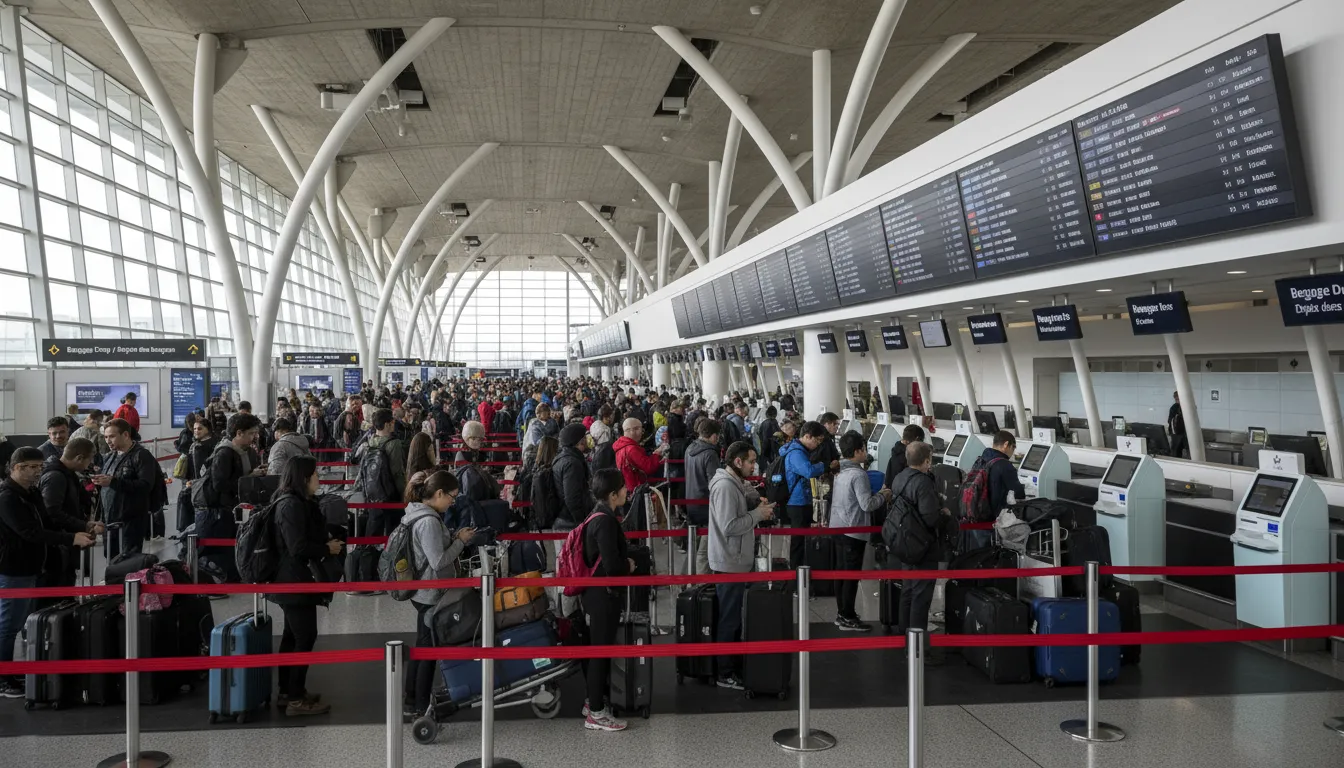
You must add an extra 30 to 60 minutes to your departure plan if you fly during Toronto Pearson’s predictable daily and seasonal rushes. Tracking these high-volume windows directly helps you answer exactly how early should i be at the airport pearson without relying on guesswork. Missing a flight is one of the worst travel feelings, and the security lines during peak times will quickly drain your time buffer if you arrive unprepared.
Daily Peak Hours — Morning Rush & Evening Wave
The daily passenger volume at YYZ spikes in two distinct waves, creating heavy gridlock at the check-in counters and CATSA security lines.
The morning rush runs from 5:00 AM to 8:00 AM, driven by a heavy volume of commuter flights and early sun destination departures.
The evening wave builds between 4:00 PM and 7:00 PM as European flights and domestic business travelers clog the terminals.
Flights scheduled before 5:00 AM experience shorter security lines, though you should remember that many airport restaurants and shops remain closed at this hour.
Busiest Months of the Year at YYZ
Seasonal travel turns the airport into a completely different environment, demanding a massive adjustment to your arrival timeline.
July and August represent the absolute peak of summer travel, adding severe delays to the baggage drop-off loops and check-in queues.
December brings intense holiday travel rushes where winter weather regularly compounds terminal overcrowding.
You cannot underestimate these seasonal spikes; a traveler on Reddit shared that they arrived a full three hours before a flight on a Saturday in August and still nearly missed boarding due to processing delays.
Pro Tip: Check Pearson’s Live Wait Time Dashboard
You can eliminate departure anxiety by monitoring real-time security line lengths before you leave your house.
Checking the official live wait time dashboard at torontopearson.com gives you an instant look at current CATSA screening line speeds.
Frequent flyers on Reddit recommend tracking this dashboard starting six hours before your flight to spot sudden delays or unexpected operational bottlenecks.
Your Specific Situation: Add or Subtract Time Based on These Factors
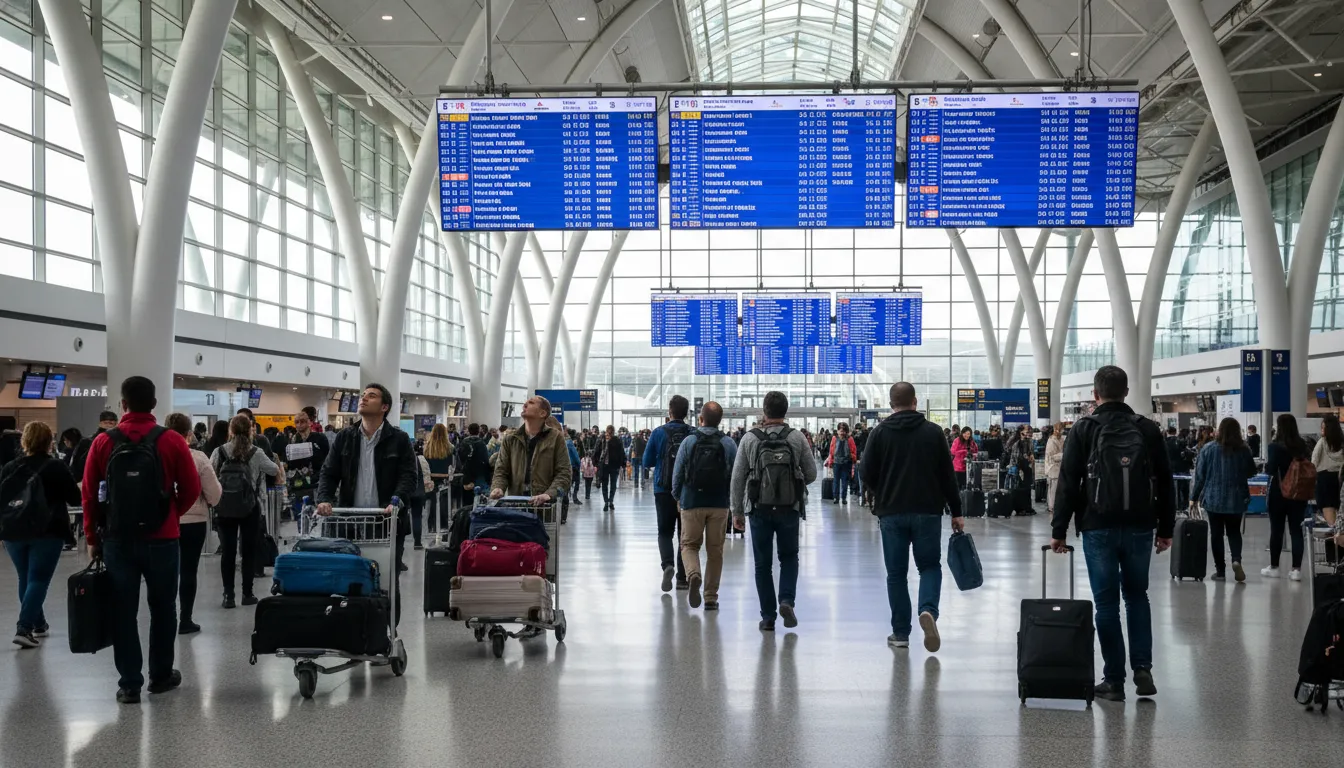
You can customize how early you should be at the airport Pearson by evaluating your specific boarding variables rather than sticking to generic timelines. Your baggage choices, your documentation status, and who you are traveling with will either add painful delays or shave valuable minutes off your wait. Missing a flight is one of the worst travel feelings, so calculate your arrival time carefully based on your unique situation.
Traveling with Children or Family (+30–45 min)
Flying with a family slows down every single transitional step from the curb to the boarding gate. You need to factor in additional time for managing strollers, clearing liquids through CATSA screening, and organizing multiple bins at the security checkpoints. For example, ensuring you have proper car seats arranged before you reach the terminal eliminates one massive headache before your day even starts.
Checking Luggage (+30 min)
Checking physical bags forces you into the main ticket counter lines and subjects you to unforgiving cutoff times. Air Canada closes its bag drop exactly 60 minutes before departure, while WestJet cuts off baggage acceptance at the 45-minute mark for domestic flights.
Traveling with carry-on luggage only allows you to bypass the check-in hall completely and head straight to security.
Luggage drop queues frequently bottleneck during morning rushes, adding up to 30 minutes of stationary waiting.
Missing the baggage cutoff window means the airline will deny your boarding pass, even if you still have an hour before takeoff.
Frequent travelers on Reddit emphasize that traveling with carry-on only is the single best way to safely compress your pre-flight timeline.
NEXUS / Global Entry Holders (−30 min)
Possessing a NEXUS card or Global Entry status significantly accelerates your progression through the airport. According to official guidelines on torontopearson.com/security, verified passengers gain access to dedicated Trusted Traveller lanes at CATSA checkpoints and expedited US pre-clearance lines. One traveler documented arriving at 5:50 AM for an 8:05 AM US-bound flight and successfully clearing both security and customs in just 15 minutes.
Already Checked In Online (−15 min)
Securing your digital boarding pass 24 hours before your departure cuts out the initial check-in line. Data from Skyscanner confirms that digital check-in windows open a day prior for almost all major carriers at Pearson. If you have no bags to drop, you can completely ignore the airline kiosks and proceed directly to the security line, saving at least 15 minutes.
Early Morning Flights (Before 7 AM)
Early morning departures create a unique dilemma because lines peak early, prompting airline apps to demand seemingly aggressive arrival times. For instance, an r/askTO user flying to Montreal at 7:00 AM grew stressed when the Air Canada app ordered a 4:00 AM arrival. Arriving three hours early for a dawn flight is highly recommended because Pearson handles massive flight blocks before 9:00 AM, though you should bring your own snacks as many terminal restaurants remain closed until later in the morning.
Terminal 1 vs Terminal 3 at Pearson: What to Expect and Where to Go
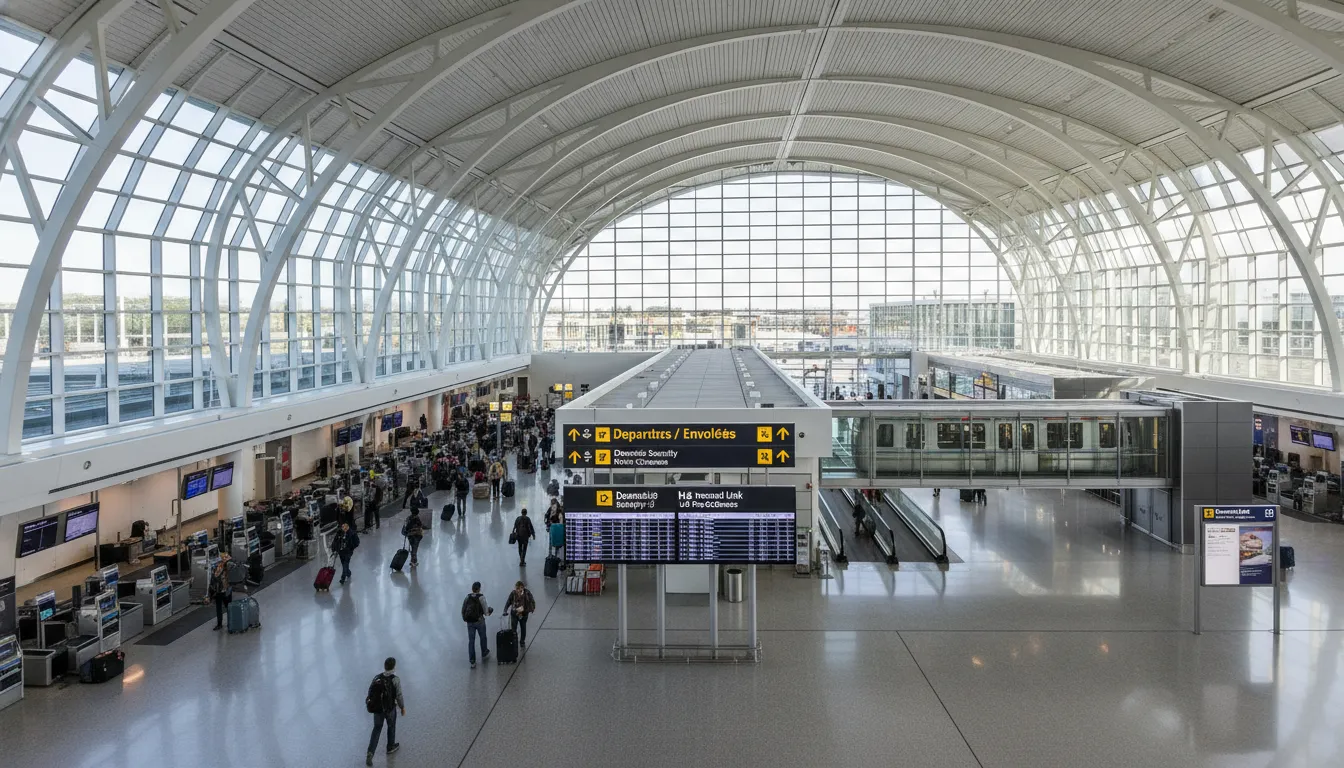
Your departure terminal at Toronto Pearson entirely dictates your foot traffic patterns, security speed, and curbside setup. Terminal 1 and Terminal 3 operate as distinct hubs with separate security infrastructures, meaning a mistake in where you get dropped off can cost you twenty minutes of walking time. Missing a flight is one of the worst travel feelings, so knowing your terminal layout is critical before figuring out how early should i be at the airport pearson.
Terminal 1 — Domestic, International & US Departures
Terminal 1 serves as the massive, multi-level home for Air Canada and its Star Alliance partners, processing the highest passenger volume at the airport. Chauffeurs drop travelers at Door A on the departures level to provide the fastest access to the main check-in rows.
The Canadian Air Transport Security Authority (CATSA) manages four distinct screening lines here: Regular, Trusted Traveller (NEXUS and Global Entry), Family & Special Assistance, and the American Express Priority Security Lane.
The US pre-clearance zone sits deep inside Terminal 1, requiring you to clear security first before entering a locked, separate customs area.
Walking distances are significant, often requiring ten to fifteen minutes to reach the high-numbered international gates after clearing security.
Terminal 3 — Domestic & International Departures
Terminal 3 hosts WestJet, Sunwing, and a variety of European and Asian airlines, featuring a more compact layout than its counterpart. For a seamless entry, you want a drop-off at Door G for domestic flights or Door F if you are heading overseas.
Frequent Pearson travelers on Reddit widely report that Terminal 3 security lanes move noticeably faster than Terminal 1 during morning rushes.
The processing lines for the check-in counters sit closer to the security entrances, reducing your overall walking time.
Some regular commuters claim they feel confident arriving just 30 to 45 minutes before boarding because of the tighter terminal footprint.
VIP Airport Limo Drop-Off: Exactly Where We Stop
Navigating the curbside chaos requires precise positioning to avoid getting stuck in pedestrian bottlenecks or wrong lanes. Chauffeurs pull directly up to the designated premium commercial zones, ensuring you step out exactly where your airline’s check-in desks sit.
At Terminal 1, vehicles target the outer commercial lane aligned with Door A to bypass standard traffic jams.
At Terminal 3, drivers utilize the specialized ground transportation cutouts directly across from Door G or Door F depending on your destination.
This precise alignment shaves crucial minutes off your transit, allowing you to walk str
What to Do Step by Step After Arriving at Pearson Airport
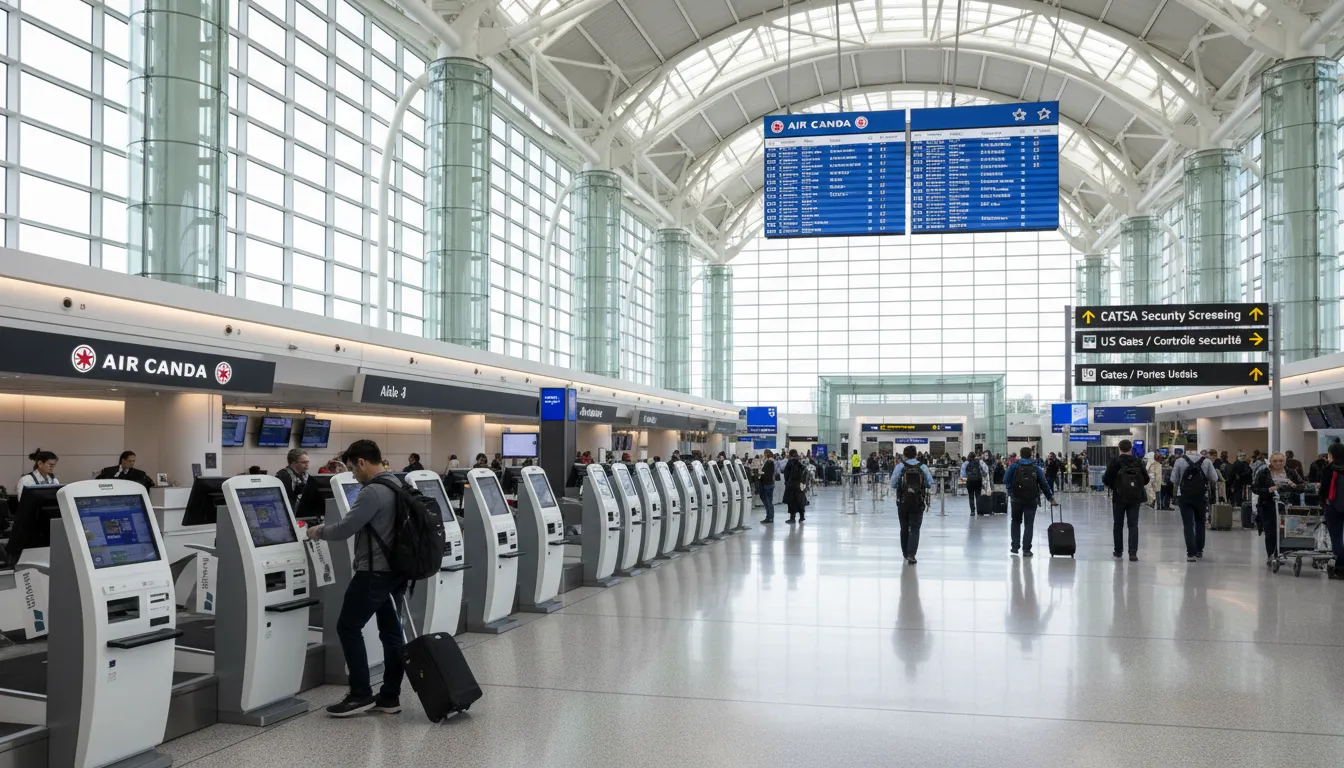
You should follow a strict sequential order the moment you step out of your vehicle to navigate Toronto Pearson Airport efficiently. Processing times can spiral quickly if you mix up your steps or miss a deadline. This breakdown shows exactly how you will spend your time from the curb to your boarding gate.
Step 1: Get Dropped at Your Specific Door (0 minutes) Make sure you unload at Terminal 1 Door A for Air Canada flights, or Terminal 3 Door G for domestic and Door F for international flights to avoid wasting 15 minutes walking between levels.
Step 2: Check-In and Bag Drop (15–25 minutes) Head directly to the self-service kiosks to print luggage tags, keeping in mind that major airlines shut down their bag drops exactly 60 minutes before departure.
Step 3: Clear CATSA Security Screening (5–30 minutes) Expect standard lines to take 20 to 30 minutes, though a Trusted Traveller lane can cut this down to 5 minutes; remember that CATSA requires you to remove all electronics from cases and ensure they can power on.
Step 4: Pass US Customs Pre-Clearance (20–60 minutes) Skip this if you are traveling within Canada or overseas, but US-bound flyers must scan passports and interview with officers here. TripAdvisor forum members heavily warn that once you enter this secure pre-clearance zone, you cannot exit back into the general terminal.
Step 5: Walk to Your Boarding Gate (5–15 minutes) Budget at least 10 to 15 minutes to reach the furthest gates in the massive Terminal 1 layout, while Terminal 3 typically requires a shorter 5 to 10-minute walk.
Step 6: Wait for Boarding to Open (30 minutes) Arrive at your designated gate before this final window closes, as airlines begin loading passengers half an hour prior to the actual takeoff time.
What Happens If You Arrive Late at Pearson?
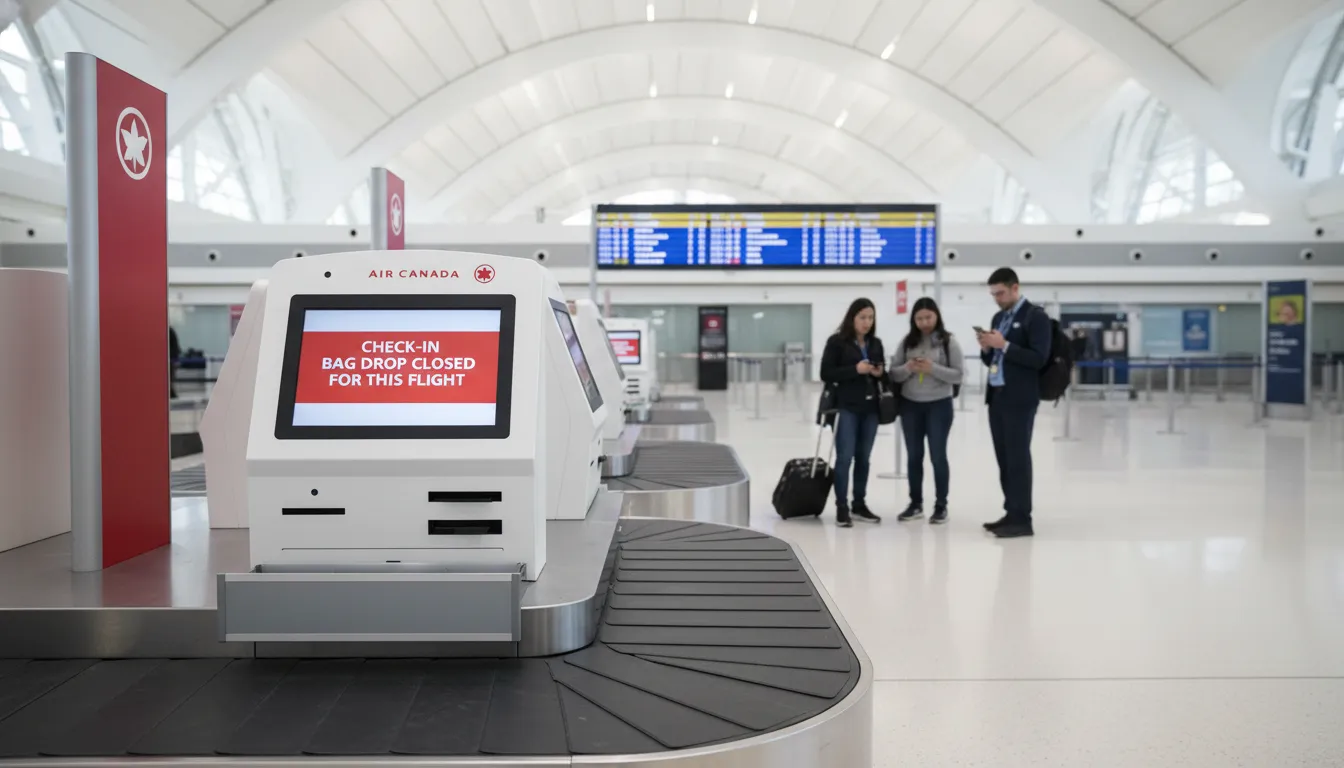
Arriving late at Toronto Pearson triggers a rapid, uncompromising domino effect that can instantly end your trip. Airport systems operate on automated, unyielding cut-off windows, meaning the infrastructure will lock you out long before the airplane physically pushes back from the gate. Missing a flight is one of the worst travel feelings—and at Pearson, the operational reality leaves absolutely zero room for lateness.
Bag Drop Closes Before Your Flight Does
Showing up at the terminal 90 minutes before your departure flight might feel like enough time, but if you have suitcases to check, you will likely be denied boarding. According to data from Skyscanner, Air Canada strictly shuts down its baggage drop counters exactly 60 minutes before takeoff for all routes, while WestJet enforces a 75-minute cut-off for international and US flights departing from Pearson. If you line up even a single minute past these digital deadlines, the computer kiosks physically refuse to print your luggage tags, completely halting your journey right at the check-in hall.
Security Has No “I’m Running Late” Fast Lane
Once you miss the check-in or app deadlines, CATSA security lines will not accommodate your personal emergency, regardless of your ticket class. A traveler on Reddit shared their experience of forgetting to check in on their airline’s app and showing up at the airport 80 minutes before departure; because they missed the hard system cut-off, agents were entirely unable to issue a boarding pass, barring them from entering the security queue entirely. The regular lines move at a fixed pace, and airport staff will not pull you to the front of a packed Terminal 1 or Terminal 3 security line just because your boarding window is closing.
Missing a Flight Costs More Than the Ticket
The true penalty for arriving late stretches far beyond the initial cost of your plane ticket, creating immediate logistical and financial headaches.
Airlines charge steep, immediate rebooking fees to place you on the next available flight, provided seats are even open.
Last-minute hotel accommodations near Malton become an mandatory expense if the next available departure is the following morning.
Missing a connecting flight at a hub like LAX can derail your entire multi-leg international itinerary, leaving you stranded mid-journey.
Non-refundable vacation days, prepaid cruise departures, and booked tour experiences vanish completely while you wait at the terminal.
Frequently Asked Questions About Arriving at Pearson Airport
You should arrive exactly two hours before your scheduled departure when flying within Canada. This gives you enough time to use the self-service kiosks, drop your baggage before the airline's hard cut-off, and clear the main Canadian Air Transport Security Authority (CATSA) checkpoints.
You must arrive at least three hours before a US-bound flight because you clear US Customs and Border Protection (CBP) pre-clearance directly inside the Toronto terminal. Missing this window puts you at severe risk of being locked out by the automated baggage drop systems, which close exactly 60 minutes before takeoff.
No, two hours is absolutely not enough time for an international flight at Pearson. International flights require a minimum three-hour arrival window due to mandatory passport verification at the desk and long walking distances to the overseas gates in Terminal 1 and Terminal 3.
You need to be at the terminal by 4:00 AM for any flight departing around 7:00 AM. Air Canada officially advises arriving three hours early for all flights departing before 9:00 AM due to the massive congestion that builds up when early morning business and vacation flights depart simultaneously.
Toronto Pearson is open 24 hours a day, 365 days a year, though individual airline check-in desks and security checkpoints have specific operating hours. Regular airline check-in counters typically open by 3:00 AM or 3:30 AM to accommodate the earliest morning departures.
Live tracking data from flightqueue.com shows that the standard CATSA security line takes an average of 30 minutes to clear. However, during daily peak hours (5:00 AM to 8:00 AM and 4:00 PM to 7:00 PM) or peak travel months like December, wait times can easily extend past an hour.
Explore Airport Topics
Our Services
Featured Travel Guides
How Much to Tip an Airport Limo Driver in Toronto
Toronto Pearson Airport Arrivals Guide
How to Get to Toronto Airport for an Early Morning Flight
How to Avoid Security Lines at Pearson Airport
How to Arrange Executive Airport Transfers for International Delegations
Hertz Rental Toronto Pearson Airport
View All Travel Guides →Industry & Safety Standards
Our Service Guarantee
Every guide is written from real chauffeur and dispatch experience — flat-rate pricing, licensed vehicles and 24/7 flight-monitored pickups across Toronto & the GTA.
24/7 Quick Response
+1 (647) 654-4915